Research checked September 16, 2026. This is a documentary analysis, not a hands-on product test. A documented collaboration or past appearance does not establish a creator’s current everyday equipment.
IShowSpeed’s documented touring setup is a production system, not just a camera connected to a phone. The strongest source reviewed here is TVU Networks’ September 17, 2025 announcement about the 35-day tour. It identifies transmission and production components, but does not establish the exact equipment used on every later stream.
The confirmed deployment—and the limits of that confirmation
TVU’s announcement, distributed through PR Newswire, names TVU RPS One IRL backpacks, TVU Producer and an ISX workflow combining Starlink with cellular connectivity. It describes UnlimitedIRL’s technical role and production around a tour bus. These are Verified vendor statements about that deployment, not independent measurements of reliability.
| Label | What we can say |
|---|---|
| Verified | The supplier publicly identified those transmission and cloud-production components for the 2025 tour. |
| Reported | The supplier described the production arrangement; its performance and continuity claims are not independent test results. |
| Unconfirmed | A universal current camera, lens, microphone, encoder configuration, monthly bill or complete backpack shopping list. |
| Seen on stream | No model is assigned this label here without our own review of identifiable, dated footage. |
Why the internet path matters more than the camera name
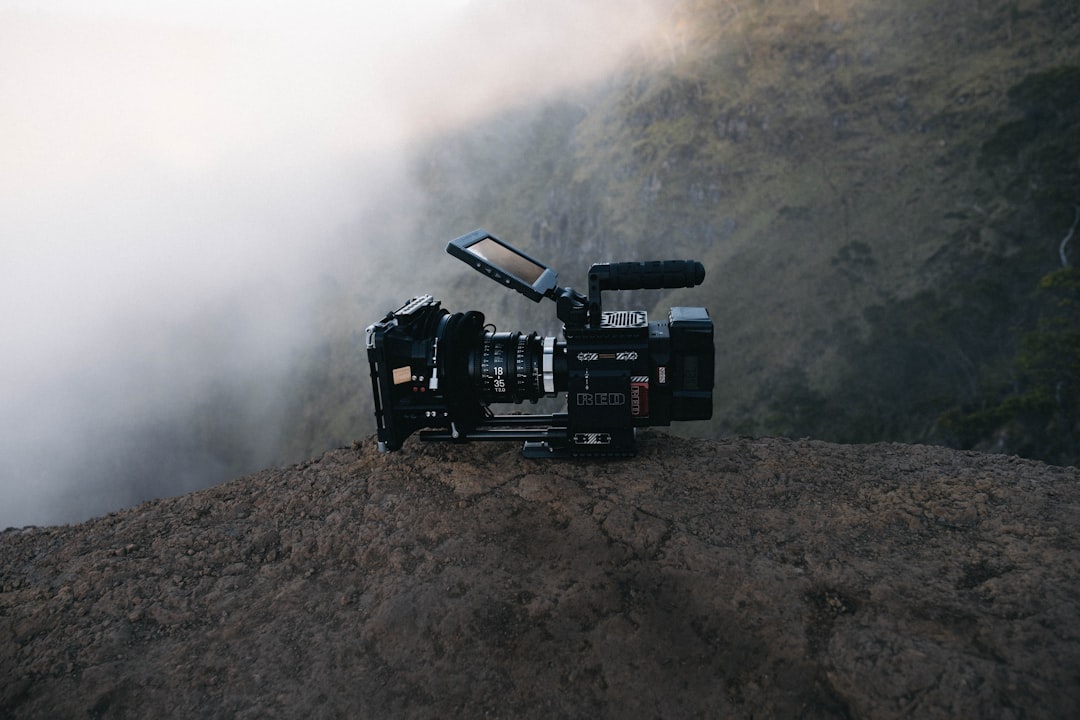
A mobile broadcast has to keep sending video while its surroundings change. For buying purposes, separate four jobs: capturing usable sound and pictures, moving that signal off the street, producing the program and delivering it to viewers. A camera upgrade addresses only the first job.
Do not assume that owning a backpack chassis includes service, configuration or people to operate the show. Ask a supplier what its quote includes: supported connections, data plans, cloud production, account limits, power and support. A low hardware headline can hide ongoing operating costs.
A realistic beginner alternative
If you are starting an occasional walking stream, begin with a phone you already own and its supported streaming workflow. Test a familiar route before buying specialist equipment. Check the platform’s mobile-streaming eligibility in your own account, because access is not established by owning a particular phone.
- Record a short walk locally first. Listen for wind, handling noise and changes in speaking distance.
- Run a limited live test where broadcasting is permitted. Check the stream from a second device or ask a trusted viewer for feedback.
- Note the places where the picture or audio fails. Repeat at the time you intend to stream.
- Measure your own battery and data usage over that test; do not extrapolate from a creator’s published tour budget.
- Decide whether the actual problem is audio, connectivity, power or operation before shopping.
That is a lower-commitment starting point, not an assertion that a phone duplicates professional bonded transmission. We are not attaching an Amazon link to an unverified backpack or inventing a cheaper equivalent.
A desk stream is a different buying decision
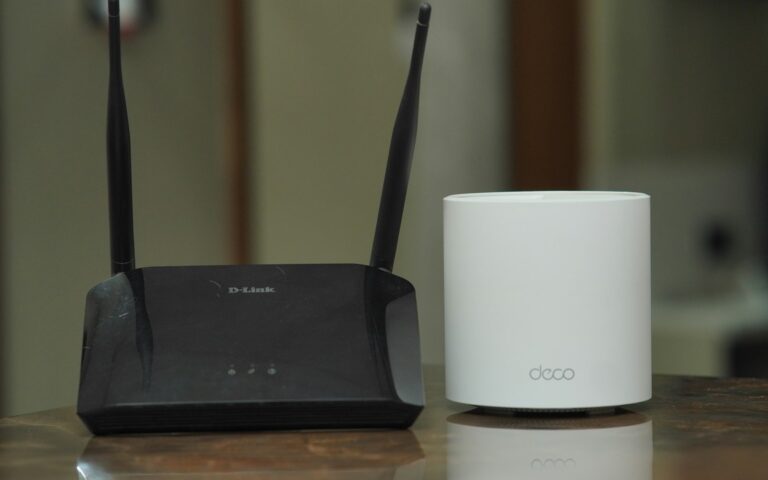
At a fixed location, you can investigate the local connection before paying for mobile infrastructure. Our Ethernet versus Wi-Fi guide explains the desk-network tradeoff, and wireless troubleshooting sequence helps isolate local problems. Neither promises to repair your provider’s upstream service.
For a home camera-and-microphone setup, use the $200, $500 and $1,000 comparison. For another example of why event equipment should not be treated as someone’s daily inventory, read Kai Cenat’s event kit versus personal setup.
What to take from the tour
The documented lesson is that ambitious IRL coverage depends on a complete production chain. A beginner should first establish a repeatable route test and an operating budget. Consider specialist transmission only after identifying a limitation that a provider can explain and demonstrate for your use case.