What Ethernet changes
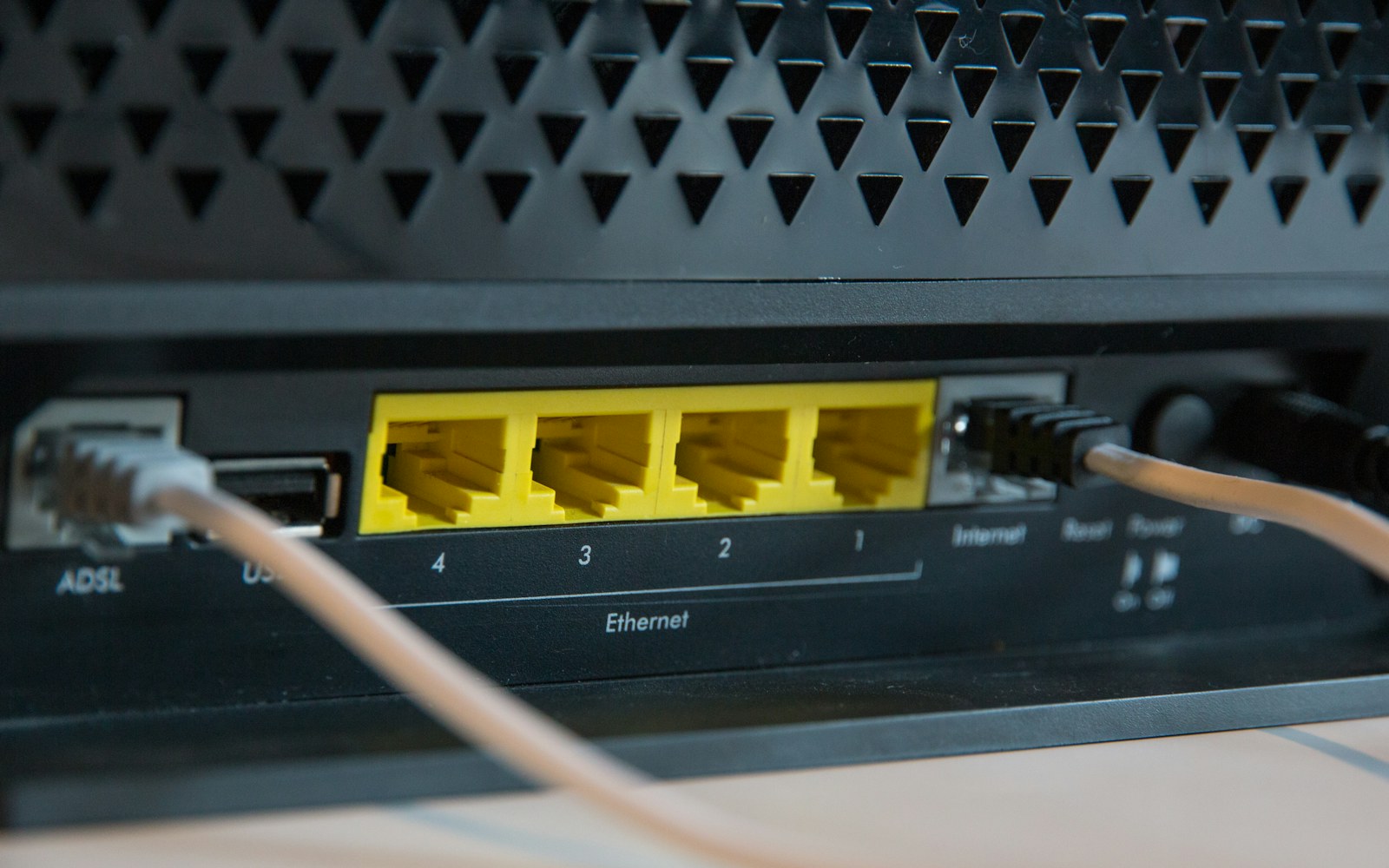
A cable gives the laptop a wired local connection. It does not bypass the internet provider, meeting platform, remote participant, or computer performance limits. If the cable goes into a mesh satellite, inspect the satellite’s backhaul before calling the whole path wired.
Google includes trying Ethernet in its meeting-quality troubleshooting recommendations. That makes it a useful diagnostic step even if you ultimately prefer wireless convenience.
Compare the same workload
Use the same laptop, meeting application, camera settings, and working location. Test under similar household usage rather than comparing unrelated speed-test screenshots. Note audio dropouts, frozen video, screen-sharing clarity, and whether the application responds normally.
If you have an Ethernet adapter, confirm that it is recognized and the cable is connected to the intended network. Temporarily disconnect Wi-Fi during the controlled test if your workplace rules allow it, so the connection path is unambiguous. Reconnect normally afterward.
| Situation | Reasonable next step |
|---|---|
| Permanent desk beside a wired port | Test Ethernet before buying new wireless equipment |
| Move frequently between rooms | Improve Wi-Fi coverage and test handoff behavior |
| Calls fail on both connections | Investigate shared traffic, internet service, and the computer |
| Only one mesh location is poor | Inspect node placement and backhaul |
Check upload and simultaneous use
Meeting traffic is not just a download. Sending camera video and screen content needs upstream capacity. Microsoft’s Teams network documentation separates upload and download requirements and explains that usage varies by meeting mode and quality.
A household running several calls, cloud backups, and large uploads may have different constraints from one person browsing alone. Scheduling a nonurgent upload for later can be a more relevant improvement than replacing a router.
Choose an adapter carefully
If the laptop lacks an Ethernet port, verify that the adapter supports the operating system and that any required drivers are acceptable for the device. For a dock-based connection, include the dock’s upstream USB path in the assessment.
A USB-C plug does not establish the adapter’s supported network speed or compatibility. Match the equipment to the required link and use a return window to test reconnect, sleep, and wake behavior. Keep a note of the working adapter and cable for future troubleshooting.
Keep Wi-Fi when it passes the test
If Wi-Fi remains stable during representative calls, there may be little practical reason to add a cable across the room. Better placement or an appropriately configured access point can preserve mobility while improving coverage.
Conversely, if Ethernet repeatedly fixes the same local issue at a permanent desk, that is stronger evidence for keeping it than a theoretical comparison between network standards. Route the cable sensibly so the setup remains convenient and does not create a trip hazard.
For a structured diagnosis, use why video calls freeze. For a mesh setup, read what Ethernet backhaul actually changes. For a combined desk connection, see the USB-C setup guide.
Add Ethernet ports only when you need them
Affiliate disclosure: As an Amazon Associate I earn from qualifying purchases. Some links below are affiliate links. See our affiliate disclosure.
If several wired desk devices must share a supported router-side connection, the TP-Link TL-SG105 five-port Gigabit switch is a candidate. Check availability on Amazon. Check the product specifications and count the uplink among its five ports. If the router already has enough free ports, you do not need this purchase.
The switch does not repair an overloaded internet service or act as a Wi-Fi adapter. For a desk stream, use the streaming budget comparison; for mobile production, the IShowSpeed tour analysis explains why a home Ethernet device is not an equivalent transmission system.