Trace both parts of the connection
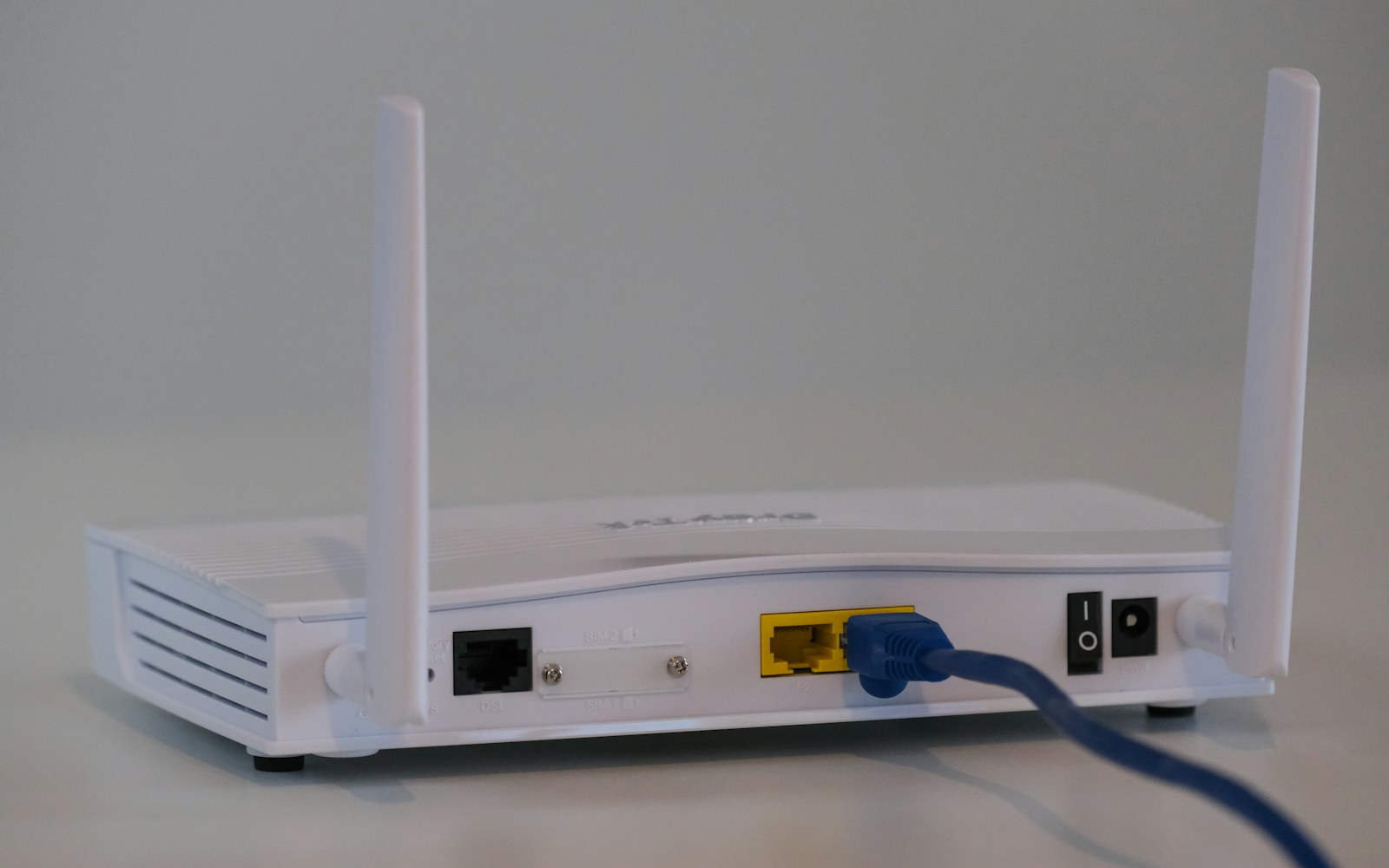
A connection through a mesh node has a client side and an upstream side. For example, the laptop may reach the satellite over Wi-Fi, while the satellite reaches the main network over Ethernet. Another setup may use Ethernet from laptop to satellite but still use Wi-Fi from satellite to the main node.
These arrangements can look similar from the laptop’s perspective. The presence of an Ethernet icon on the laptop says nothing about the complete path beyond the first cable. Check the mesh application or wiring diagram to identify the node’s backhaul.
| Laptop to node | Node to network | What is wired? |
|---|---|---|
| Wi-Fi | Ethernet | The backhaul |
| Ethernet | Wi-Fi | The laptop’s first link only |
| Ethernet | Ethernet | Both local links |
| Wi-Fi | Wi-Fi | Neither local link |
Why it can help
A wired backhaul avoids relying on a wireless link for that particular node-to-network connection. This can be useful when walls or placement make the satellite’s upstream wireless path unreliable. It does not increase the speed of the internet plan or fix a problem beyond the home network.
The practical test is whether the same desk workload becomes more consistent. Compare a normal video call or representative transfer before and after the change, keeping the laptop location and other conditions as similar as possible.
Read the wiring rules for your system
Do not connect ports randomly. TP-Link’s Deco backhaul guide gives different wiring rules for Router and Access Point modes. In its Router mode guidance, satellite nodes connect behind the main Deco, directly or through its LAN-side switch. The page also describes supported mixed wired and wireless arrangements.
Those are product-specific instructions. For another mesh brand, use its own current documentation. Record the operating mode before changing cables, and avoid making loops by connecting multiple paths between devices without understanding the topology.
Check what the cable path can support
Inspect the Ethernet ports on the nodes and switches, the cable route, and any wall termination. A premium mesh radio does not override a lower-capability wired link. If the system reports a negotiated link speed, compare it with the expected capability of the connected ports.
Start with a simple known-good cable and a direct supported connection where practical. Once the system works in that arrangement, add the permanent wall route or switch and test again. This isolates problems in the infrastructure from problems in the mesh configuration.
Know when it is not the priority
If video calls fail even when the laptop is connected directly to the primary router, backhaul may not be the main issue. Investigate the internet service, shared traffic, and computer performance. If a wireless satellite already meets your needs consistently, wiring it may not justify installation work.
Use our diagnostic sequence to locate the weak link. If you have not purchased equipment, compare mesh, extenders, and access points before selecting a system simply because it advertises more nodes.
When a small switch is actually useful
Affiliate disclosure: As an Amazon Associate I earn from qualifying purchases. Some links below are affiliate links. See our affiliate disclosure.
The TP-Link TL-SG105 is an option when the supported LAN-side wiring needs more Ethernet ports. Check availability on Amazon. TP-Link identifies it as a five-port Gigabit unmanaged switch; one upstream connection leaves four ports for other devices. Follow your mesh maker’s topology instructions.
It does not supply Wi-Fi, replace the router or make a wireless backhaul wired by itself. It is also not a PoE switch for powered access points. For a fixed console-streaming desk, the $500 capture plan helps separate the network requirement from video capture hardware.