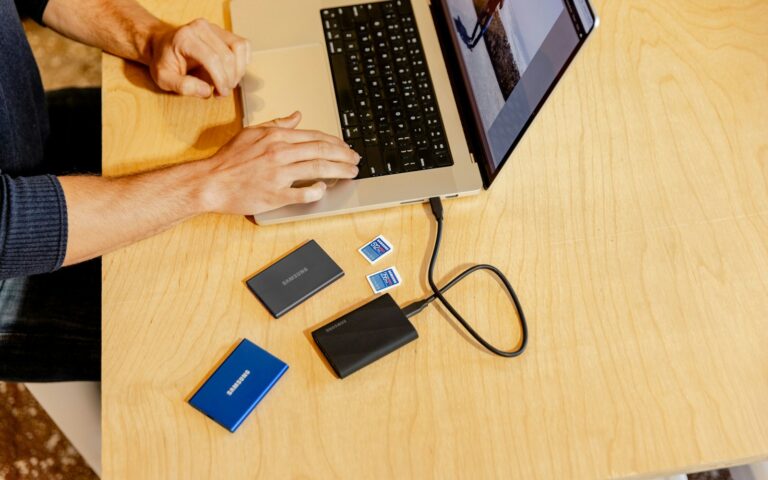
Follow a file through an ordinary mistake
Imagine deleting the wrong project folder on a laptop. A synchronization service may reproduce that deletion elsewhere as part of keeping devices consistent. You might be able to recover it from a recycle bin or version history, depending on the service and account settings. The question is whether that recovery path exists when you need it.
A copy on another screen is not necessarily independent. If both locations follow the same changes and rely on the same account, they may share failure modes. Draw a short list of where your files live and what controls each copy.
Ask recovery questions instead of counting cloud icons
| Scenario | Question to verify |
|---|---|
| Accidental deletion | How long can deleted files be restored? |
| Bad edit or overwritten document | Are earlier versions available, and for how long? |
| Lost laptop | Can you regain account access without that device? |
| Damaged or encrypted files | Is there a clean copy outside the affected path? |
| Service cancellation | Can you export and restore the files independently? |
Record the answers from the provider’s current documentation and your own settings. Account tiers and administrative policies can change what is retained. Do not rely on the most generous feature advertised for a plan you do not have.
Build a small, recoverable arrangement
For a personal work setup, consider an active working location, an automatic backup destination, and a separate copy protected from the same everyday mistakes. The appropriate products depend on the volume of data and the devices you use. This is a planning pattern, not a guarantee against every loss.
On a Mac, Time Machine is one documented option for creating and restoring backups. Read the setup requirements, allow the first backup to complete, and confirm that the external location contains the files you expect. External working drives may need their inclusion settings checked separately.
Test a restore before you trust the system
- Create a small folder of noncritical test files.
- Wait for the intended backup to finish.
- Restore a copy to a different folder, following the application’s instructions.
- Open the recovered files and check their contents.
- Record the steps and where any recovery keys are stored securely.
- Repeat after changing the backup application, destination, or major account settings.
A green status icon confirms a process reported success; a restore test confirms something more useful about your ability to recover. Do not delete the originals just to make the test feel realistic.
Include account recovery in the plan
A cloud copy is less useful if the only device that can sign in is lost. Review the provider’s account-recovery options and keep recovery information in an appropriate secure location. For a business, assign an owner to the backup process so it does not depend on one employee’s memory.
Match the schedule to the amount of work you can afford to recreate. A weekly copy may be insufficient if a project changes every day. Keep an eye on backup failures and capacity rather than assuming the original setup will keep working indefinitely.
For hardware selection, start with choosing an external SSD. For a disk shared between computers, read APFS versus exFAT before changing its format.
Keep session recordings recoverable
For a creator retaining full sessions, count the original recordings, edited exports and another recoverable copy as separate needs. The $1,000 streaming accessories plan includes working storage, but that line alone is not a backup system. Our CaseOh gear analysis separates functional recording costs from cosmetic PC purchases.